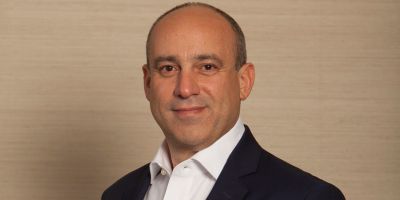
Professor Subhajit Basu tackles the regulation of AI in Parliamentary inquiry

Professor Basu’s written evidence is cited in at least six places in the Parliamentary Joint Committee on Human Rights’ report, ‘Human Rights and the Regulation of AI’, published on 14 September 2026.
He submitted written evidence to the inquiry in 2025. The inquiry explored what regulation might be required in order to safeguard human rights when AI technologies are being developed and used, and any implications this might have for future legislation.
Professor Basu’s evidence focused on the impact of artificial intelligence (AI) on human rights and the need for a stronger UK regulatory framework that places rights protection at the centre of AI governance. His evidence was cited extensively in the subsequent report.
He says:
Protecting human rights is essential to building public trust in AI. Those who design and use these systems must take responsibility for identifying risks and preventing harm. People affected by AI decisions need understandable explanations, a clear route to challenge unfair outcomes and someone who can be held accountable. These protections must work in everyday life.
He believes that human rights provide the foundations for innovation that people can trust, saying:
“Clear rules on fairness, privacy and accountability can help organisations develop AI responsibly while giving people confidence that their interests are protected.”
I welcome the Committee’s call for stronger legal safeguards and am pleased that my evidence has contributed to this important discussion about the kind of technological future we want to build.
The Committee’s report has received media coverage, such as this piece in the Guardian: OpenAI urges UK lawmakers to rein in technology amid growing safety fears, and this article in ITPro: Human rights committee calls for new AI safety law.
Professor Basu’s research on AI and human rights exemplifies how School of Law scholarship informs national policy debates on some of the most pressing issues shaping our future.
Further Information
- Professor Basu was quoted extensively in the Big Issue article, “Influencers are using smart glasses to film homeless people. It’s exploiting people for views”
- He was also quoted in the International Bar Association article: Fintech: AI regulation must be grounded in human rights.
- Professor Basu is a member of the Technology, Governance and Intellectual Property Law Group and the Centre for Business Law and Practice.
- To keep up with more of Professor Basu’s work, visit his Substack, LinkedIn, or Bluesky @subhajitbasu.bsky.social.