Leeds research informs new UK legislation on conversion practice ban

Research by the University of Leeds, Galop and Stonewall has been cited by Equalities Minister Olivia Bailey MP in support of draft legislation to ban conversion practices in England and Wales.
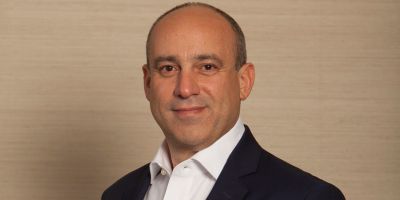
According to the LGBT+ anti-abuse charity Galop, ‘Conversion therapy’ means any practice which aimsto change or suppress someone’s sexual orientation or gender identity on the basis that it is considered inherently inferior. Professor of Human Rights Law in the School of Law, Ilias Trispiotis is the chair of the Legal Forum of the Ban Conversion Practices coalition and has advised MPs and UK and international NGOs on the scope and importance of banning ‘conversion practices in the UK and other jurisdictions.
His latest Research England-funded research was tasked with producing the first rigorous, evidence-based report on the forms and harms of conversion practices in the UK and their links with other forms of abuse. The research was an academic collaboration between the University of Leeds and Galop and the UK charity Stonewall, which advocates for LGBTQ+ rights.
Delays in vital legislation
Published this month, the Galop report “Still Not Illegal”: evidence of modern-day conversion practices from Galop’s frontline services, presents new empirical evidence showing that conversion practices are still taking place in the UK and that existing legislation does not adequately protect people from them.
Key findings:
-
The majority of cases analysed (81%) involved coercive and controlling conversion practices, such as emotional and psychological abuse, threats, forced marriage, or restriction and surveillance.
-
The vast majority of clients in the cases analysed (81%) were subjected to multiple conversion practice attempts over time.
-
In the vast majority of cases analysed, the conversion practices were perpetrated or initiated by family (76%), especially by a parent/s (63%).
-
Conversion practices remain a modern-day risk for LGBT+ people in the UK. In most cases (68%), the conversion practices were currently happening, recent, or ongoing.
Of the report, Jasmine O’Connor OBE, Co-CEO of Galop, said:
“Galop's new report provides some of the strongest evidence yet that conversion practices are not a thing of the past. The people whose stories are shared in this report could have been protected from insidious forms of abuse and violence. For eight years, consecutive governments have promised, and failed, to deliver a ban on conversion practices. With each delay to this vital legislation, more and more victims and survivors have been failed and left at risk. These findings make clear that LGBT+ people need protection and access to specialist support. Conversion practices should be illegal.”
Draft Conversion Practices Bill
The report was launched at an event in London where the Minister for Equalities Olivia Bailey also announced the Government's draft legislation to ban conversion practices. During her speech, the Minister cited the report’s findings as evidence of the need for new legislation. The report and the draft legislation were unveiled alongside one another, highlighting the role that robust, evidence-based research can play in informing public policy.
The Government’s direct reference to the findings demonstrates the contribution of the University of Leeds, Galop and Stonewall’s research to the development of proposed legislation aimed at protecting LGBT+ people from conversion practices.
Professor Ilias Trispiotis said,
After eight years of successive governments pledging legislation against conversion practices, the publication of this draft Bill is an important milestone for human rights. This is only a first step though. The Bill will have to undergo rigorous pre-legislative scrutiny to give parliamentarians, survivors and legal experts the opportunity to improve it.
Further information
You can read more about the draft legislation by Professor Trispiotis in this article in The Conversation.